

Let me tell you something that took me longer than I’d like to admit to fully understand.
The skills that got me to a certain level in events were not the same ones that were going to take me further. That was a weird place to be because I realized that the event delivery skills I had spent a lot of time learning and refinidng only get you so far. For a while, I kept doing more of what I already knew like better logistics and more efficient everything and wondering why the opportunities weren’t changing.
It wasn’t until I started paying attention to a different set of things that things actually shifted.
I remember being in production offices at some significant events and overhearing conversations I wasn’t sure I was supposed to hear. You can imagine me sitting there with shifty eyes looking at the person speaking out of the corner of my eye, and they would look at me out of the corner of their eye but not say anything.
These kinds of conversations are so common at a certain level, and if you’re in the room, you’re expected to know when to be discreet and hold information within that room and not take it beyond. Things like multi-million dollar collaborations being discussed like they were logistics problems. VVIPs and what absolutely had to happen for them, non-negotiable, no exceptions. PR situations being managed in real time and if it got out it would be global headlines. Deals that hadn’t been announced yet, said out loud between two people who clearly trusted everyone within earshot.
I remember thinking: do I need to leave? Is this above my level? Should I be pretending I can’t hear this?
And then I realize…no. I was in the room because I belonged in the room, and the people having those conversations weren’t being careless. They were operating at a level where this was just the work. The commercial layer, the relationship layer, the crisis layer all running simultaneously alongside the logistics, because at this level it always does.
That was the moment I understood there was a second layer to this job and that developing fluency in it was the thing that would actually change what I was being asked to do.
So those are the skills I want to talk about in this post: the ones that move you into a different level of work entirely.
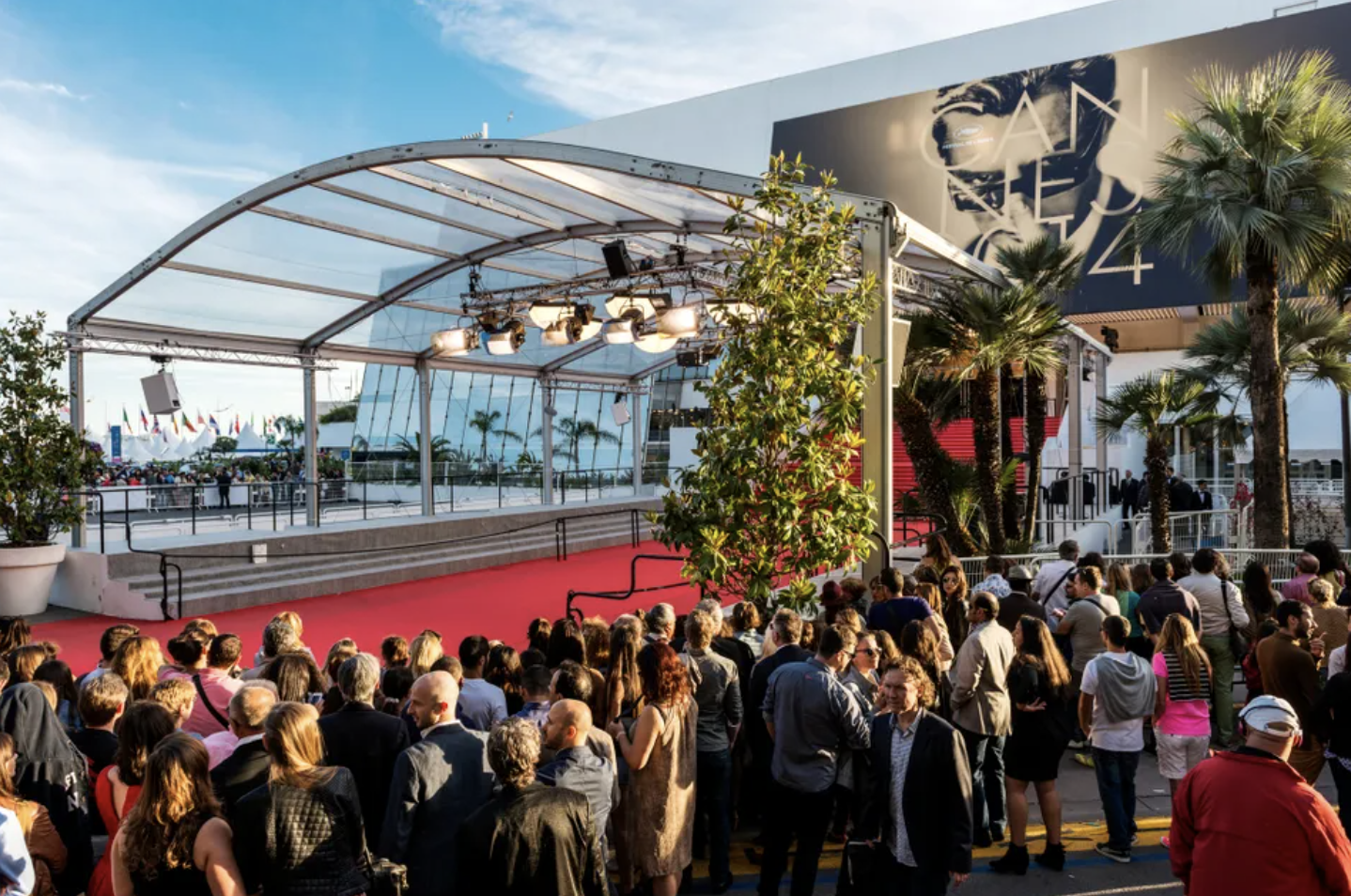
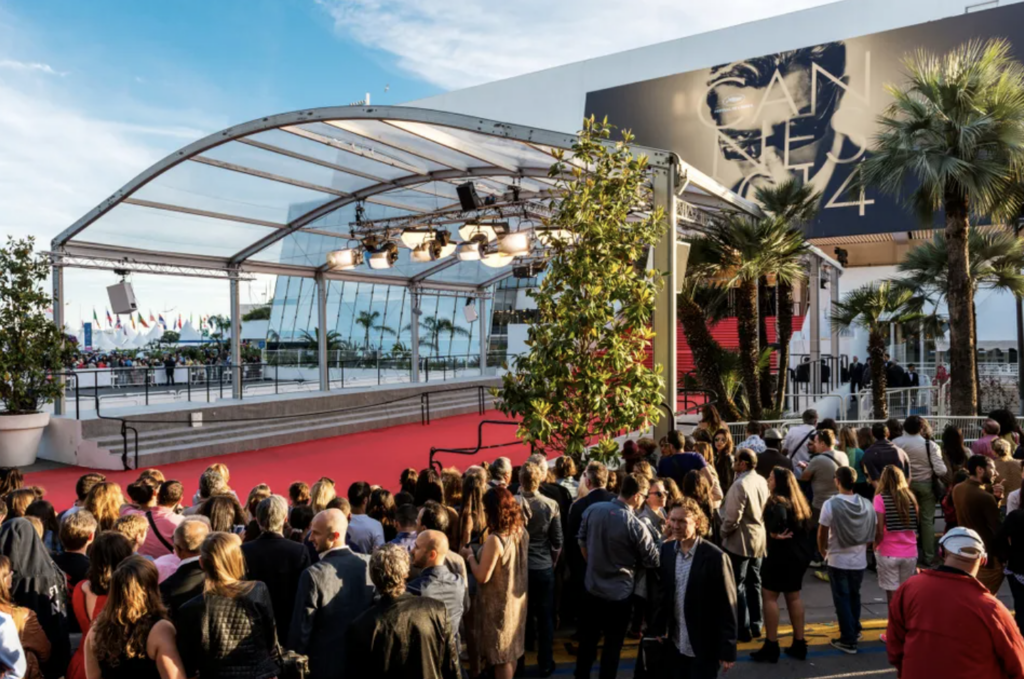
I’m going to use some real events that have been in the news as examples because I think the best way to understand these skills is to see them in action: The Met Gala, Cannes Film Festival, the F1 Paddock Club + House 44 collaboration, the Devil Wears Prada 2 premiere and press tour. These are events being done at the absolute highest level, where every decision is deliberate and strategic, and it’s worth understanding things beyond project management and a good run of show. Even if you don’t work on them, the lessons trickle down to events in all sectors at all levels.
But before we go on, remember that the skills that got you here are real and they matter. They’re just not the same ones that get you to the next place.
First, the gap
Most of us are trained in operational skills: planning, logistics, supplier management, budgeting, runs of show, onsite delivery, developing relationships with all the people onsite, etc. Many of us learned on the job and others have a formal degree in event management. These things matter, and you cannot work at a high level without them.
But there is a ceiling to what those skills alone will produce. They get you into the room, but they don’t move you to the front of it.
The event professionals working at the highest level in events, like the ones being hired or brought into meetings a year out to shape the brief rather than six weeks out to execute it, are operating with a second layer of capability.
It’s harder to name and learn, but it’s developed through years of observation, paying close attention to what the event is actually doing and why, and being curious about the commercial and cultural context of the work. Just like me being in production offices overhearing but observing. Always taking mental notes. Over time, these have grown into a set of skills.
So I’m making an attempt to name some of those skills clearly because I think a lot of event professionals have them within them but don’t realize it.
Skill 1: Reading the commercial layer
Every significant event has a brief. Underneath the brief is a long-term strategy with a commercial intent often decided by a board of directors and VPs. The event professionals who are being brought in early — whether it’s into a contract or a meeting — before the brief is even final, understand both, and make decisions informed by the second, not just the first.
What does that actually mean in practice? It means asking what does this event need to produce? Not what the brief says. What is the organizer, the rights holder, or the brand is genuinely trying to achieve? Retention of a key relationship? ROI for a sponsor? Cultural positioning? A very specific conversation between two very specific people that someone decided was worth an enormous amount of money to make happen?
I’ve been in rooms where the operational brief was one thing and the real objective was something entirely separate, and the people who thrived were the ones who could read both and make decisions that served the actual goal, not just the project documents. They can see something happening and know that even though it technically works, it doesn’t work for the strategy they know was discussed in the board meeting last week.
If you only understand the operational part of the event, you’re delivering to a fraction of what the event is trying to do. The person who can hold both layers at once and make real-time decisions that serve them simultaneously is much harder to replace.
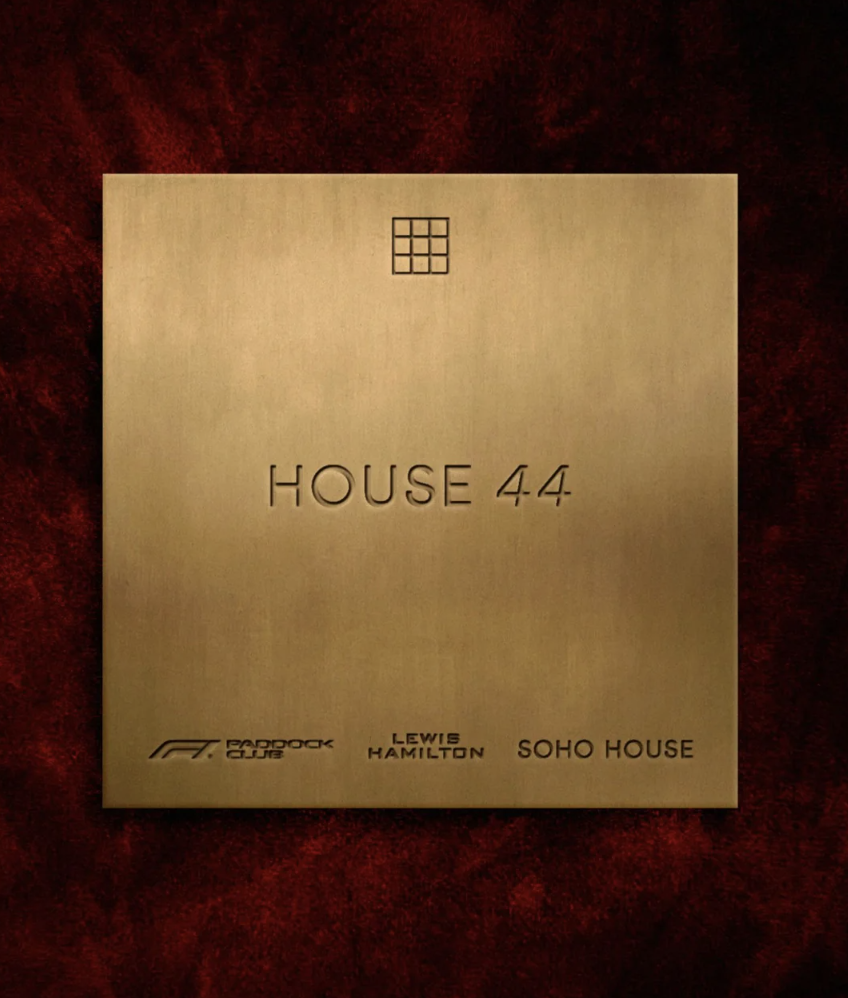
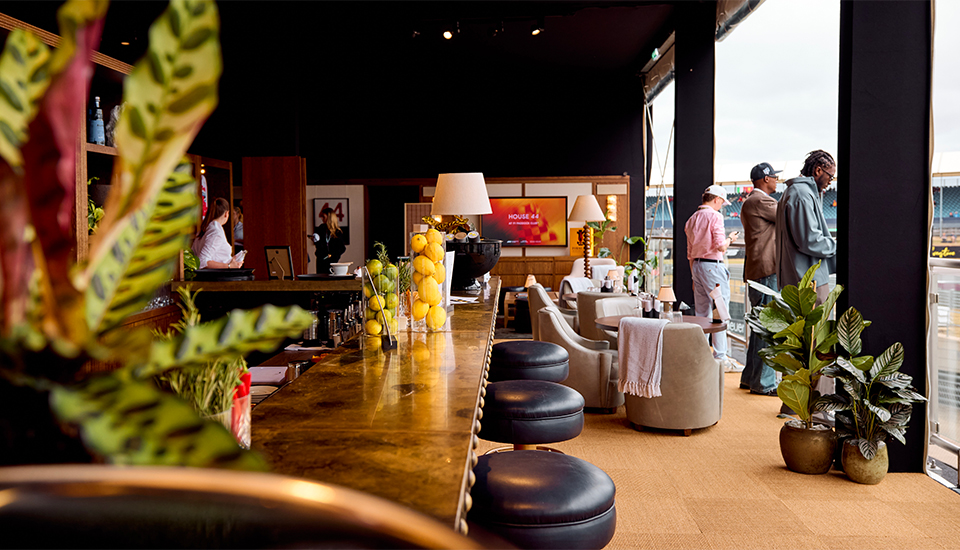
House 44 is a great current example. If you look at what suppliers are there to do, it’s create a Soho House-quality environment trackside, manage the Lewis Hamilton appearances, execute the gifting, run the guest experience.
But the commercial intent underneath it is relationship investment because the brands in that room, the media, the high net worth guests are what F1 and Lewis Hamilton are investing in because the return is long lasting and multiplies way more than ticket sales. House 44 creates relationships that generate value over years, across select races, inside a community that keeps showing up. So how to you bake that into your design, planning, and experience? You look at everything from the seating arrangements to the type of food being served to what the high foot traffic areas are like.
The team member who understands that is briefing their own teams differently and making different decisions about what matters and what can flex when it needs to.
The question I start with before working on any element of an event like this is what does the organizer need to be true at the end of this event that might not exist now? That one question changes everything about how you approach the work.
Skill 2: Location intelligence
This one sounds incredibly simple. Where your event happens is a strategic decision, not a logistical one.
Location determines what the event can inherit from the audience and the media infrastructure to the cultural appetite and the talent pool. Major events cluster in major cities for a reason. New York in early May. London during Wimbledon fortnight. Cannes every May. Monaco during the Grand Prix. These aren’t just convenient venues and cities. They’re moments where the city itself is providing something the event borrows. And if you look at some of them through the traditional lens of site selection, some of these actually don’t score high on your typical transportation links, hotel offerings, etc.
But there is a lot that is already there: media, talent, a conversation is already running. An event that understands this places itself inside that energy rather than trying to create energy from scratch in a random place.
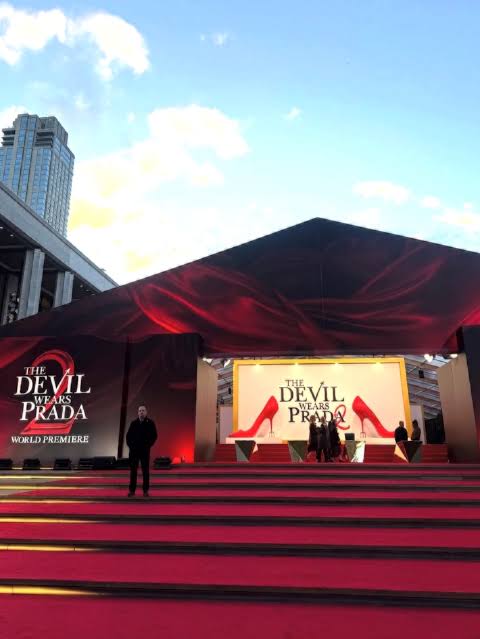
The DWP2 premiere is a great example. It opened in New York on April 20, two weeks before the Met Gala, which is always the first Monday in May. Same city with overlapping people, a storyline that mirrors Anna Wintour’s real career, in the same week that she’s chairing the Gala she’s been running for decades. Anna Wintour ends up on the cover of Vogue with Meryl Streep, and the Gala suddenly feels tied to the film.
The film premiere was smart. It didn’t just launch the film. It entered a cultural moment that was already building, and the Met Gala closed it. Two separate events that together produced something bigger that brings in more of the public. That is not scheduling or going with the best location because the local tourism board pulled out all the stops. That is strategic location and timing intelligence. Someone understood what moment that premiere was entering and placed it deliberately inside it.
The professional implication here is that understanding the calendar and the city context around your event is as important as understanding the venue. The best event professionals I know carry a mental map of what else is happening around their event at all times. Who else is in the city that week? What conversation is already running? What their guests have just come from and what they’re about to go to next? That awareness is part of the brief.
Skill 3: Reading convergence
The most interesting events happening right now are not happening inside one sector. They’re happening at the intersection of several like sport and luxury, film and fashion, music and culture, brand and community. We can call this an intersection, convergence, or even a collision. But let’s go with convergence. Event professionals who see convergence coming, and position themselves inside it before it becomes obvious, are the ones getting the most interesting work.
Formula 1 is the case study I keep coming back to. Drive to Survive brought a new audience to F1. It’s younger, global, and some are more interested in the personalities than the engineering. That audience is also part of the fashion week, luxury travel, and wellness audience. The same people who watch the Met Gala coverage early in the week were probably watching F1 qualifying on a Saturday.
Brands understood this before most event professionals did. Louis Vuitton making the F1 trophy trunk is an example I love after going to Paris to learn about fashion history to aid my event career. LV is a brand whose founder was a trunk maker, and now it has a collaborative product that protects one of the most prestigious trophies in motorsport, for an audience that likely buys LV luggage, or at least in that range.
You also see the Soho House collaboration with the Paddock Club. These are not coincidences. They’re commercial responses to an audience that has already collided.
Convergence is a structural shift that is already shaping event briefs. The question is whether you’re positioned inside it or watching from outside.
For event professionals, it’s a straightforward implication but genuinely important. Cross-sector experience is becoming a specialism. A brief like House 44 requires someone who understands luxury hospitality, sports events, brand activation, and cultural programming simultaneously. That kind of fluency is rare and it’s what the most significant events are looking for.
If you’ve worked sport and fashion, if you’ve worked film premieres and VIP hospitality, if you’ve worked corporate and luxury: stop treating that as an uneven CV and start treating it as a specific and unusual capability because it is.
Skill 4: Brand integration thinking
There’s a difference between a brand that sponsors an event and a brand that belongs in it. At the highest level, the most powerful commercial partnerships feel inevitable like the brand was always going to be there. Developing the ability to see that difference, build programmes around it, and push back when an integration doesn’t serve it, is a really valuable skill.
Most brand integration at events is transactional. A logo here, a product placement there, naming rights on a stage. The brand paid to be present. The audience knows it. The association is shallow and the return on investment reflects that.
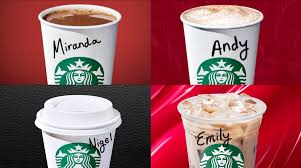
The brand integrations that work at the highest level feel very different. The best example I can give you right now is the DWP2 brand partnership programme. The film had over a dozen official brand partners — Samsung, Grey Goose, Starbucks, Diet Coke. The ones generating the most conversation were not the most luxurious names on the list. They were Starbucks and Diet Coke.
Starbucks has been in this universe since 2006 when the first film came out. Their secret DWP menu this spring was simply a *chef’s kiss*. Miranda’s order is a character detail. And then Diet Coke’s campaign ‘A Diet Coke please. That’s all’ is Miranda’s own line handed back to the audience. I am not a brand expert by any means, but I can see what is happening here. Those brands belong in that universe, and placement feels earned rather than bought. It’s hard to ignore that kind of thinking when working with sponsors and partners for events.
Compare that to a brand whose logo appeared at other events because they had a nice dollar amount on a contract and whose presence generates no conversation and leaves no impression. It’s a completely different commercial outcome. You see it at major events, conferences, and community events.
When I’m thinking about brand integration for a high-profile event, the question I always ponder is: does this brand belong here in this event world with this audience? If the answer is no, the integration will show so it’s my job to make that integration as seamless as possible. An integration that shows is worse than no integration at all. It says the event is for sale rather than standing for something.
Skill 5: Audience intelligence at the highest level
This is the guest experience topic that we see all over social media because we as event professionals love to talk about how an event makes attendees feel. At the very highest level, you have to take that way of thinking and multiply it x 1,000.
Designing an experience for high-net-worth individuals, celebrities, diplomats, and talent requires understanding what those people experience everywhere else in their lives and building from that floor upward. Generic luxury is not enough. You have to know what true luxury and experience look like to the specific people in specific contexts. There is a difference between the two that these guests can feel immediately.
Something I always think about when planning any element of a high-profile guest experience is what is this person’s average Tuesday like? What rooms are they used to walking into? What level of anticipation do they receive in their daily life? What do they typically eat? Drink? Read? Watch?
Because that’s the floor to work from. If I don’t know the answer to that, I’m guessing and guests can feel the difference between someone who knows and someone who guessed.
Some of the sports events I work on are great examples and made me re-think gifts and experiences. Events will gift the full family including partners, parents, children with personalized luxury items and teddy bears for the kids. Each item is chosen after thinking who is travelling with the athletes, not just the athletes themselves.
Most events don’t do this because it’s invisible. Nobody will tweet about the teddy bear, but the athlete’s agent will remember whether the family felt looked after when next year’s invitation (if there is one) arrives.
That’s audience intelligence. It requires knowing who is travelling with the guest, what the children’s ages are, and what the partner might appreciate. And this isn’t just tied to sports. I once worked on a film festival, and I had this last minute contract…the kind you get a call about the day before because they realize they need extra help.
That event in particular had film directors, actors, actresses, producers, etc. And the partners were completely forgotten about. They had no where to go, sit, nothing to do. Not even food for them. So the next year, I came in early and we overhauled that and built it from scratch. We thought about what do people in film regularly experience and work upwards from there.
That information has to be gathered, briefed, and acted on before anyone arrives. It is not a small thing. It is the kind of thing that separates events that talent requests to be part of from events that talent attends because they have to.
Across an entire event, the guest experience goes way beyond gifts to the hospitality, the access, and the programming, and this requires genuine research, real preparation, and understanding how these people move through the world.
How do you build these skills?
None of these skills are formally taught. All of them are developed by paying close attention over time to the events you work, to the events you watch, to the decisions being made at the highest level and asking yourself why those decisions were made.
The DWP2 premiere timing wasn’t an accident. House 44 wasn’t assembled randomly. The Met Gala seating chart isn’t just logistics. The Magnum beach at Cannes didn’t become a must-see thing after one year of showing up. These are all the result of people understanding what an event is trying to do commercially and culturally, not just logistically.
The practical habit I’d suggest to develop these skills is the next time you watch a major event (an award show, a fashion week, a sports hospitality activation, a film premiere) watch it like you have to go into a meeting the next day and present your strategy.
What is this event trying to produce? Why is it here, in this city, at this time? Which brand integrations feel like they belong and which feel like they’re renting space? What does the guest experience tell you about who this event thinks its audience is? What conversations is the organiser trying to start?
That observation habit is where these skills come from. It doesn’t give you a certificate, but it is genuinely the thing that separates the event professionals who keep getting called for the same level of work from the ones who start getting called for something different. It’s how you contribute to reach a higher level.
Once you’ve developed it, you genuinely cannot switch it off which is exactly where you want to be.
A few more things
If this interested you, you can listen to my most recent podcast on this topic here.
And if you want more of this — the deep dives, the event analysis, the career conversations that the industry doesn’t usually have — follow along on Instagram and LinkedIn. There’s a lot more where this came from.
And finally thing, I built Inside Iconic Events, my 8 week group program for experienced event professionals who are done with a “fine” event career and ready for better opportunities, better work, and a career that actually excites them. One thing it includes is this kind of strategic thinking with your actual career. If this resonated, the doors are open. All the details are at the link here.
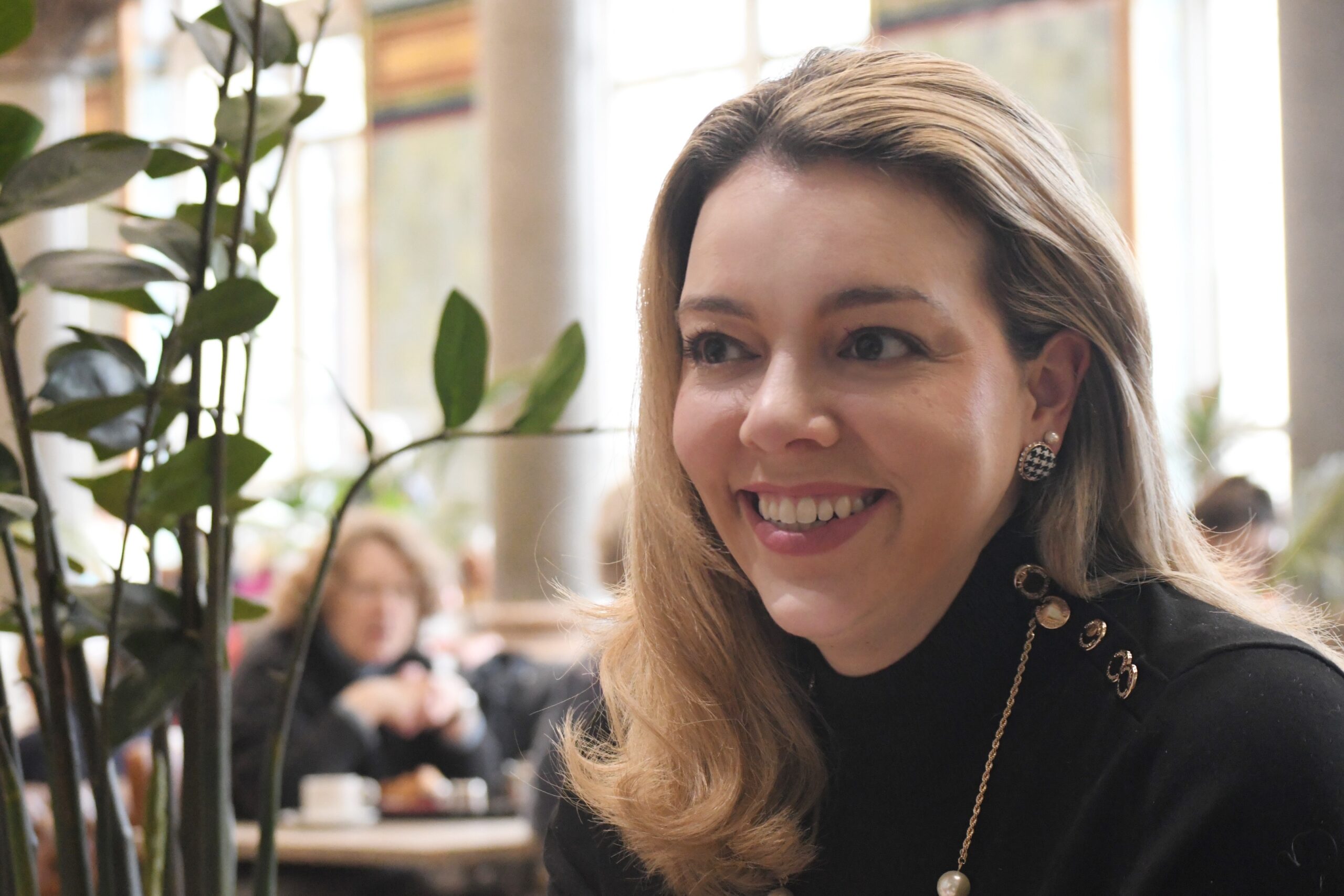
Laura Yarbrough-Lloyd is an event freelancer and career strategist for event professionals. As the founder of IconicEvents®, she is an industry voice on event careers, talent development, and the future of the events workforce. She works with event professionals and organizations across sectors to help build sustainable, ambitious careers within the world’s most iconic events. Her writing explores career progression, industry structures, and the realities of long-term success in events.
