


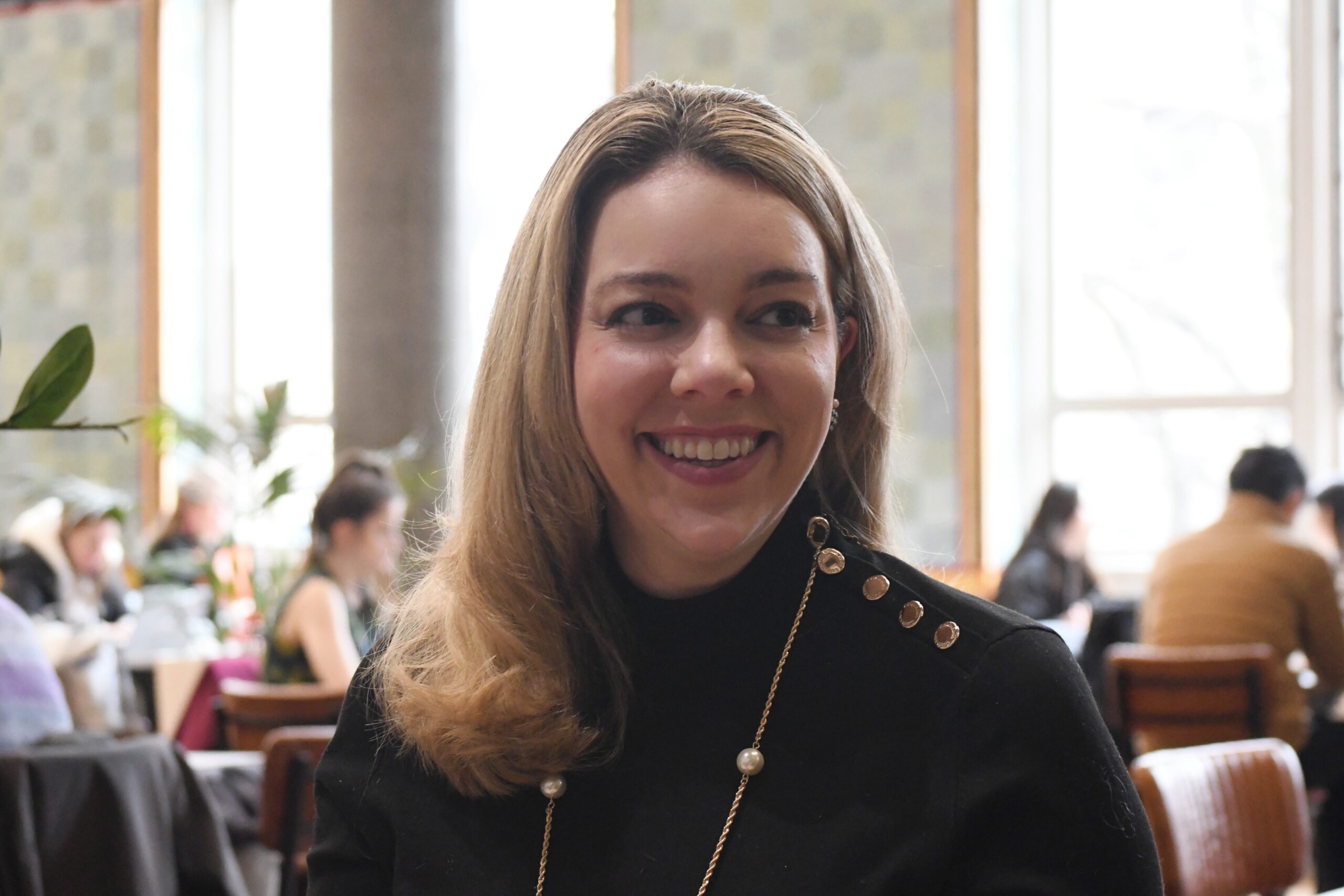
I recently leaned into talking about the realities of being mid-career in events, and I’m not talking mid-career in terms of seniority. I mean someone who’s been in long enough that the early excitement has settled, you’re not close to retirement, and you’re in that long middle period regularly looking at what you’ve built and asking honestly whether it’s what you want now and changing something.
We spend a lot of time in our mid-career and confuse it with where we are in rank or seniority, but this period is so long that you will go through multiple iterations of highs, lows, flatlines.
When I look at what gets talked about publicly in event careers, I see the same things: how to get started, how to be at the very top, how to network, how to create a personal brand, how to create an experience, the honest parts about burnout or boundaries (which if I am honest, by now, I feel they have been talked about so much that even that has lost its edge). These things aren’t wrong, but they are surface level or becoming so commonplace that they will be the new surface level.
Most of the real conversations about outgrowing old identities, career confusion, when what you want and how you work are completely at odds stay in group chats with close friends. They don’t make it out. I’m not afraid to bring it out of the chats, though, because I think someone has to.
I’ve restarted and pivoted more times than feels good to say. Teaching English after graduation because dental school stopped being my dream, pharma, then events, getting laid off, going out on my own before I wanted to, moving from China to the US, then the US to the UK. Each time felt novel and exciting, and that felt like progress.
Later, a period came — the last few years especially — that was hard in a different way that made international moves and visas look easy. With the exception of a handful of projects I genuinely loved and still do, I realized was being used below my capacity. What people saw when they looked at me was in direct conflict with what I could actually do, and underneath all of it I was going through an identity shift I didn’t have words for yet. All I knew is I woke up everyday with a little bit more dread and debated if I should do something completely different. I hear that a lot…half serious, half joking, how many of us talk about baking or slinging coffees (I mean I would love that), and teaching Pilates or something.
It doesn’t help that events is an industry without a traditional ladder. I’d watch peers in other industries getting promotions, titles, teams to manage, real visible and obvious markers of progress. My husband manages a large team. People I grew up with in my small town are VPs at major companies. And you find yourself doing the mental math (and it isn’t because you necessarily want those exact things) because the industry we are in doesn’t reflect progress back to you in the same way. You almost define it yourself, and when you’re in a hard patch, that lack of signposts and things to compare to and benchmark against makes everything feel more ambiguous than it probably is.
If I’m honest, my shift started simpler than that. I wanted better work, better opportunities, and to be in rooms where my full capacity was actually being used and respected. I wanted to be, not just in rooms, but at the front of them. That’s what I thought I needed to figure out, but when I started working on it, what I found underneath wasn’t just a positioning or a networking problem or even where I live when most of the opportunities want you to be in London full time. It was an identity problem because there was a gap between the level I wanted to be at and who I was still showing up as. I used to say, I feel like I am stuck in a mental and emotional state I had when I was in school or my first year in the workforce. It was bizarre feeling to be honest.
I wanted events that required the level of expertise I have built up in certain areas over a decade, ownership of projects, and to be brought in early to an event because I do something specifically well and can create the strategy around it, not to execute someone else’s plan after the decisions were already made. And because I am observant and probably used to analyzing from my science and pharma days, I can cut through the beauty of an event and see what’s going on. I understand the strategy and long-term outcomes behind an event, and that understanding makes my work better. But when you’re still seen and hired (and even act) at a certain level, none of that matters to anyone. You’re supposed to show up, get it done, stay dependable and adaptable. Those aren’t bad things. They will give anyone a lot until they stop being enough. It does make you feel like your talent is being wasted, though.
And part of the shift is practical in ways that feel strange at first. It’s learning what other work exists that you didn’t know to look for and finding the people already doing it. It’s also changing how you show up to work you already have which is its own weird thing because the people who know you a certain way suddenly have to readjust to you. You can feel like you’re performing something fake when actually you’re just closing the gap between who you are and how you’ve been presenting. It’s what you seek, what you accept, and how you respond to all of it.
What I was working through was the gap between internal ambition and external embodiment. I wanted leadership and strategic involvement but was still showing up with the habits and behaviors of an earlier version of my career like still over explaining, softening things that didn’t need softening, saying yes to everything, deferring to others, still waiting for external validation before fully backing myself. That mismatch creates a very specific internal tension that bleeds into everything from your positioning and how you talk about your expertise to your willingness to ask directly for what you want and your confidence.
I’ll also say this about the industry, because I think it’s part of the picture. There are genuinely difficult people in events who are rude, controlling, territorial to the point you wonder how they have a job. But when you see these loud voices who are doing the roles you want, it creates a false impression that you have to act that way to achieve your goals. I was once told I’d make it in events because I’m naturally quiet and observant and that people wouldn’t take me seriously. Do you hear that and start to believe it’s true? Maybe because I’ve thought about that a lot. The question I kept asking myself at one point with was whether I needed to become a bulldozer or assertive or loud to get where I wanted to go and whether assertiveness had to mean performing a personality that wasn’t mine.
It doesn’t, but I had to actually work that out rather than just hope it was true. And that’s just one of the identity questions.
Underneath all of this, and I think this applies to a lot of people who left traditional employment early or were never formally developed by a company or a mentor invested in their growth every single day doing the work together, is that you reach a point where the old way of showing up and working simply stops working. The habits and self-perception you built in earlier phases of your career stop serving the level you want to be at. That transition is messy because your old identity stops fitting before the new one is formed so that in between period is genuinely disorienting, and it happens in mid-career.
Working through it — and I want to be honest that this isn’t a one-time fix — changed how I show up. Each time I’ve done this work I’ve gotten clearer on the level I actually want to work at and started making decisions from that place rather than from scarcity, habit, fear, and as I’ve always said, not taking myself seriously. I’ve stopped treating my experience as disconnected projects and started seeing the through-line, and I’ve learned that showing up differently doesn’t mean being unnaturally louder (it’s never going to be me) or performing a confidence you don’t feel. It means closing the gap incrementally, and then doing it again when the next iteration arrives because mid-career is long.
Closing the gap looks like different things at different points. Sometimes dressing for the level you want to be at. Being more deliberate about who you spend time with professionally and seeking out people a few steps ahead rather than staying comfortable. Changing how you speak about your work, not inflating it, but stopping the habit of underselling it before anyone has the chance to question it. Sitting with discomfort instead of immediately deferring. Small shifts done consistently result in a big change.
That’s what this is the basis of. My book (it’s not a memoir but instead a career companion and useful guide) is deeply informed by having lived this. My coaching program for mid-career event professionals exists because I went through the transition and came out with something useful to say about it. I’m not someone standing outside the experience telling you how it works. I’m someone who was in it, did the work, and now helps other people move through it without reinventing themselves into someone they’re not. And I’ve done it at multiple points and know I will do it again. Like I said, mid-career is long.
I’m also not the only one who went through this. I’m friends with a lot of people in events and the conversation keeps coming back to the same place. It’s not burnout. It’s not the millennial career crisis the internet loves to diagnose right now. It’s a mid-career identity shift where reliable and adaptable isn’t enough anymore and you have to decide who you actually are and what level you actually want to work at and then start showing up as that person before the industry fully reflects it back to you.
Events amplifies all of it. It’s so public and outward facing. We need portfolios and pictures of previous work, and our connections and access are currency. The hierarchies are invisible but real. When your internal identity is in flux there’s genuinely nowhere to hide when you have to constantly network and show your work.
I’m not afraid to talk about any of this. I’m not lamenting because I know everyone reading this will have already or will experience this at least once. And don’t get me wrong…there are plenty of wins in there. But wins are easy to talk about. The mid-career reality of this industry deserves more than a post about networking tips and how tiring 14 hour onsite days are.
So I started writing about it. First as content, then as a book draft, and then a program built specifically for event professionals in this phase. I’m not working on a guide to getting started or climbing a ladder that doesn’t really exist in this industry. I’m writing a companion for the part nobody maps out when you’ve been in long enough to know what you’re capable of and you’re ready to actually operate from that place. And that’s just one part of it. Career sustainability, community, job changes…wow I can’t wait for you to read it.
The program and the book are for people who want to decide what level of work and events and opportunities they want and work towards them; who want to choose opportunities more intentionally instead of taking what comes; to create boundaries around their life that actually hold; to stop hoping to access certain spaces and rooms and start showing up like they belong there; without the fake persona; without the bulldozer personality; without becoming someone you don’t recognize.
If any of this sounds familiar, you’re probably exactly who I wrote it for and who I created my program for.
That’s all for now, but stay tuned because there’s a lot we will still talk about!
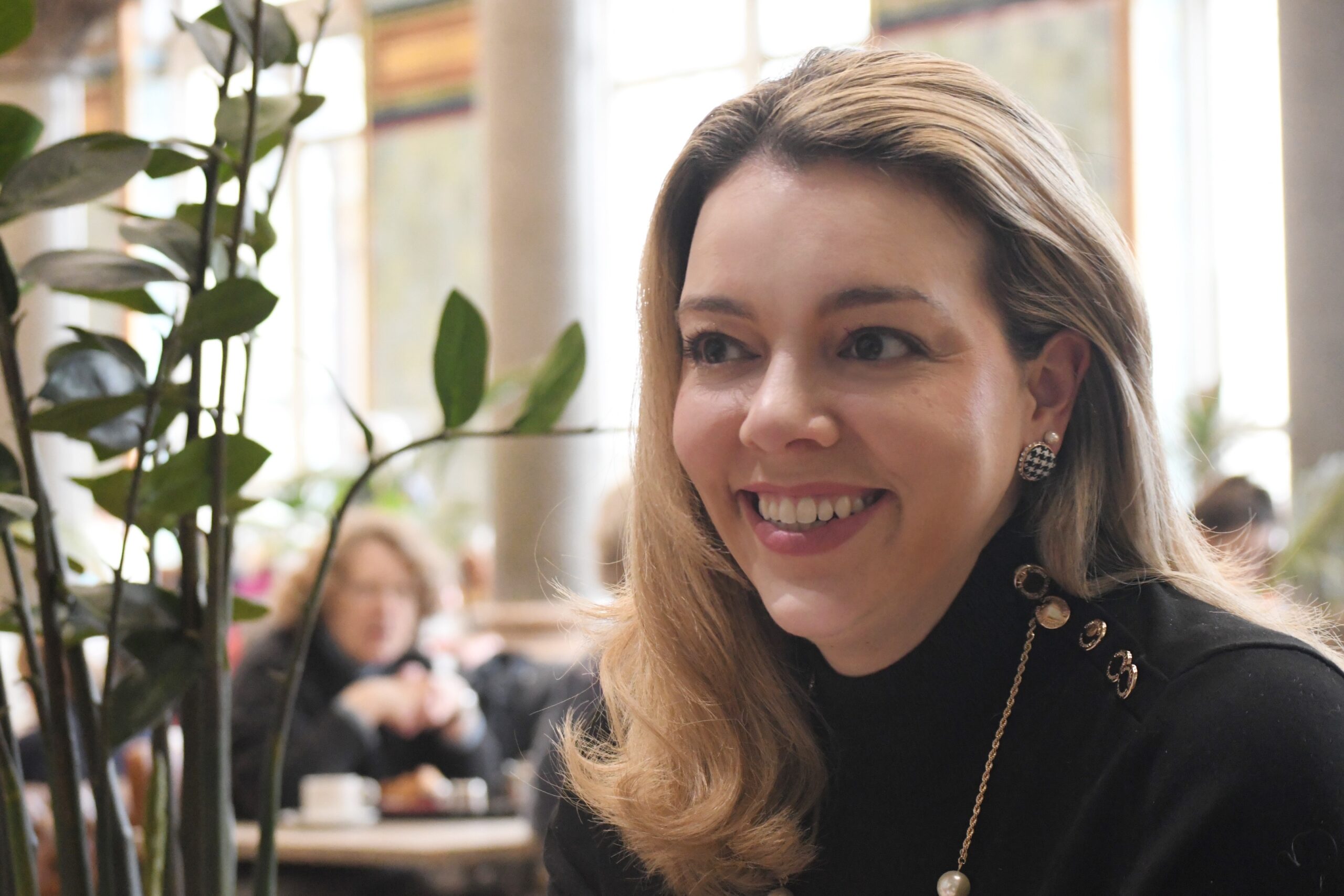
Laura Yarbrough-Lloyd is an event freelancer and career strategist for event professionals. As the founder of IconicEvents®, she is an industry voice on event careers, talent development, and the future of the events workforce. She works with event professionals and organizations across sectors to help build sustainable, ambitious careers within the world’s most iconic events. Her writing explores career progression, industry structures, and the realities of long-term success in events.
