

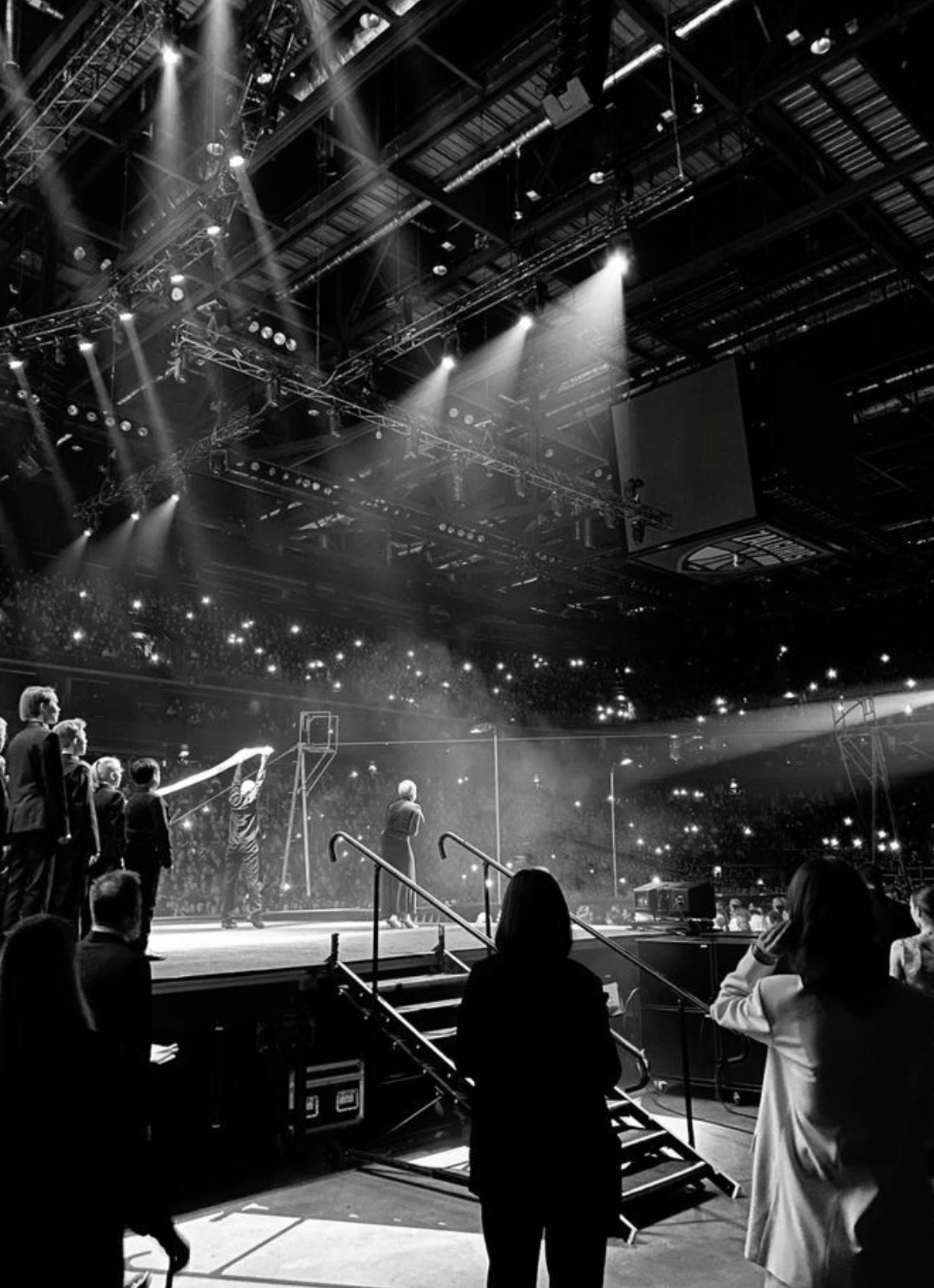
Event professionals are increasingly honest about what they actually want from their careers.
We want more balance, control, and choice, and we want work that is interesting, challenging, and meaningful without burning us out for the sake of being busy.
After a few years in the same roles, many of us start thinking about “better opportunities.” But in a freelance-heavy, relationship-led industry, what does that actually mean? Titles can vary wildly depending on whether you work in an agency, brand, venue, or organizing committee, and progression rarely follows a linear path. The normal career ladder doesn’t fit here.
At the same time, major global events from the Olympics to the BAFTAs to Milan Fashion Week are happening right now, and it’s natural to think: I’d love to work on something like that.
Non-event professionals often act quickly on this inspiration. They volunteer, take short-term gigs, use annual leave, or pursue entry-level opportunities, treating it as a valuable experience on top of their day jobs. They’re intentional, flexible, and unapologetically focused on access to these opportunities.
Experienced event professionals often pause at the inspiration stage. They admire the scale and complexity of a major event, analyze trends, or even turn the event into content. But naming it as a professional goal doesn’t always happen. Many of us are juggling fully booked schedules, client or employer loyalties, have a fear of appearing junior, or assume that progression will naturally come if we stay long enough.
So the question isn’t “Do you want better opportunities?”
It’s: What does “better” actually look like in practice — and how do you move toward it without undoing the work you’ve already built?
What Better Opportunities Look Like in Real Event Work
Better opportunities aren’t just about working on prestigious events or adding brand names to a portfolio. They often come down to scale, trust, scope, and timing. Here are examples of how “better” can manifest across the industry for freelancers and employed professionals alike:
- Working on larger scale or higher visibility events
- Moving from regional or national events to global broadcasts, multi-city tours, or high-profile festivals.
- Example: Transitioning from supporting a regional fashion week to leading VIP operations at a major international edition
- Being brought in earlier
- Joining feasibility studies, concept development, strategy sessions or planning phases rather than stepping in after key decisions are made.
- Example: Being invited to contribute to the development of an awards show instead of only managing the stage onsite
- Owning a defined area
- Clear accountability over a function such as operations, accreditation, logistics, guest experience, or production
- Example: Managing a complete hospitality program for a luxury brand activation instead of rotating across multiple unrelated tasks
- Closer proximity to decision makers
- Fewer degrees of separation between you and the people approving budgets, strategy, or high risk decisions
- Example: Reporting directly to the head of event operations instead of a mid-level coordinator
- Repeat involvement across editions or cycles
- Returning for future tournaments, festivals, or tours because trust and experience have been built
- Example: Being rehired to run operations for consecutive music festival seasons
- Moving from execution to judgement
- Being trusted to manage strategy, risk, and decision making rather than only completing assigned tasks
- Example: Suggesting changes to guest flow logistics to improve safety and experience at a large scale awards show
- Shifting between environments strategically
- Moving from agency-side to organizer-side (or vice versa) to gain influence, learning, or longevity
- Example: Leaving a corporate agency role to join a festival organizing committee, gaining insight into long term operational strategy
- Stepping into cross functional roles
- Coordinating across operations, marketing, PR, commercial, security, or broadcast
- Example: Leading the coordination of a high profile gala where marketing, sponsorship, and logistics intersect
- Fewer projects, higher stakes
- Taking on less volume but more critical responsibility where your contribution is visible and valued
- Example: Managing a single global event end-to-end rather than juggling multiple small regional projects
Better opportunities often look like depth over breadth. You’re trusted, visible and influential rather than simply adding more to your plate.
How to Move Into Better Opportunities
Better opportunities don’t require taking on more work or suddenly becoming hyper visible. They require clarity, strategy, and selective action. Here’s how to approach it:
1. Get precise about the type of work you want
Think beyond generic descriptors like “major events” or “bigger contracts.” Identify the conditions these opportunities create:
- Do you want to be involved in pre-event planning?
- Ownership of a single function rather than general support?
- Repeat involvement across editions or seasons?
- Fewer stakeholders but higher trust?
Clear definitions help you communicate value and position yourself for the right opportunities.
2. Show capability, not just availability
Better opportunities come when people recognize your skill, not just your calendar. Demonstrate your expertise by:
- Sharing how you handled complex or high pressure moments publicly or in discussions
- Highlighting decision making, judgement, and responsibility rather than tasks completed
- Framing achievements in terms of outcomes and impact
3. Build relationships around problems, not job ads
Most high level roles are never posted. People hire when they face a problem and know who they trust. Ask further questions like:
- “What usually breaks under pressure at this event?”
- “Where do you most rely on experienced professionals?”
- “What’s the most critical aspect when visibility is high?”
These conversations position you in the right category before formal openings exist.
4. Step slightly ahead of your current title
Stretch without leaping:
- Own work streams you previously supported
- Take responsibility for decisions and outcomes
- Be visible in moments where others step back
5. Let go of work that keeps you comfortable but capped
Sometimes better opportunities replace, rather than add to, existing work. Saying no can create space for:
- More meaningful projects
- Roles that build trust and influence
- Work that develops new skills or access
Final Thoughts
If you’ve been in events for a while and feel restless, it’s rarely about ability. It’s often about being underused or underexposed. Normalizing the desire for better opportunities means admitting that growth in events isn’t always vertical, it’s often about depth, trust, and proximity to decisions.
Once you name what “better” looks like for you, the path forward becomes much clearer.

